Why People Seek Counselling and Behaviour Support Therapy
Many people look for help through counselling and behaviour support therapy. These services help with different problems in life. They provide support and practical solutions to improve wellbeing and daily living.
Feeling Sad or Anxious
Some people feel very sad or worried for a long time. This might be because of tough events like losing a loved one or dealing with stress at school or work. Counselling helps them talk about their feelings and find ways to feel better.
For example, a teenager might feel anxious about exams. Talking to a counsellor can reduce their stress and teach them ways to manage anxiety.
Struggling with Disability
People with disabilities often face challenges doing everyday tasks. They may find it hard to communicate, learn, or move around easily. Behaviour support therapy helps them find new ways to complete these tasks and live more independently.
For instance, a child with autism might act out when they feel overwhelmed. Behaviour support can teach the child and their family strategies to handle these situations calmly.

Going for a walk is a simple pleasure shared among friends.
Managing Anger or Frustration
Sometimes, people get angry or frustrated and do things they regret. Counselling can help them understand why they feel that way and learn better ways to respond.
An example is an adult who gets angry quickly at work. Therapy can help them recognise triggers and practise calming techniques.
Improving Relationships
Many people seek help to improve their relationships with family, friends, or carers. Counselling offers a safe space to talk about conflicts and learn healthy ways to communicate.
For example, parents of a child with behavioural challenges might need support to understand their child’s needs and how to respond positively.
Coping with Change
Life changes, like moving house, changing jobs, or facing illness, can be hard to handle. Counselling helps people adjust to these changes and build coping skills.
A young adult moving out from home for the first time may feel overwhelmed. Therapy can support them to manage new responsibilities and emotions.
Behaviour Support Plans for Everyday Challenges
People with disabilities sometimes display behaviours that make daily life harder. Behaviour support therapists develop personalised plans to help manage these behaviours safely and respectfully.
For example, a person with intellectual disability might struggle with routine changes. A behaviour support plan can prepare them for transitions and reduce confusion or distress.
Counselling and behaviour support therapy are important tools that help people live happier, more independent lives. They offer practical solutions tailored to each person’s needs and challenges.
Dr Dwayne and Dr Jo are behavioural specialists and counselling therapists. Check out their staff pages here. Give them a ring or send a message in the form on Home Page.
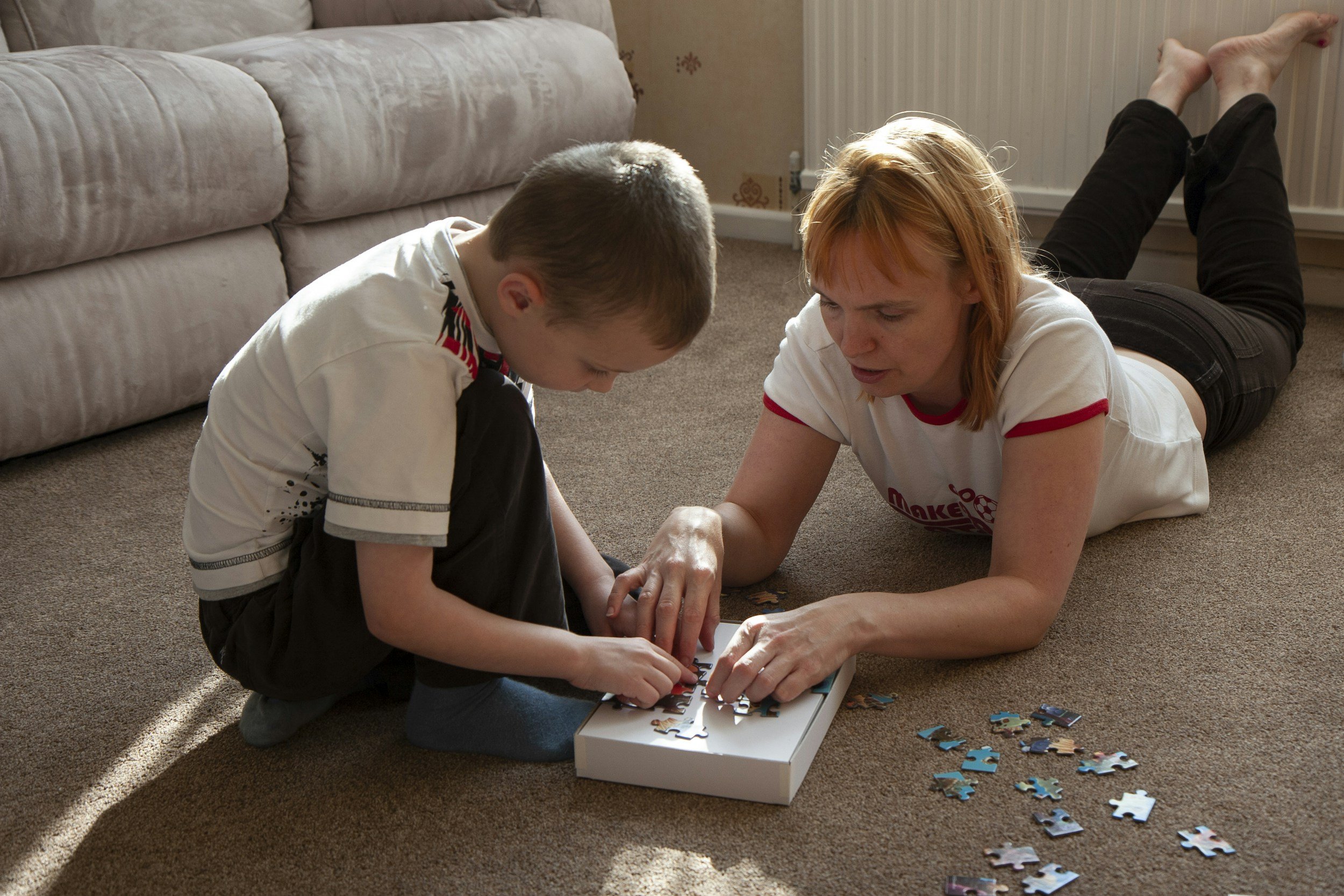
Working together on a project - simple pleasures and more rare and precious than you imagine.